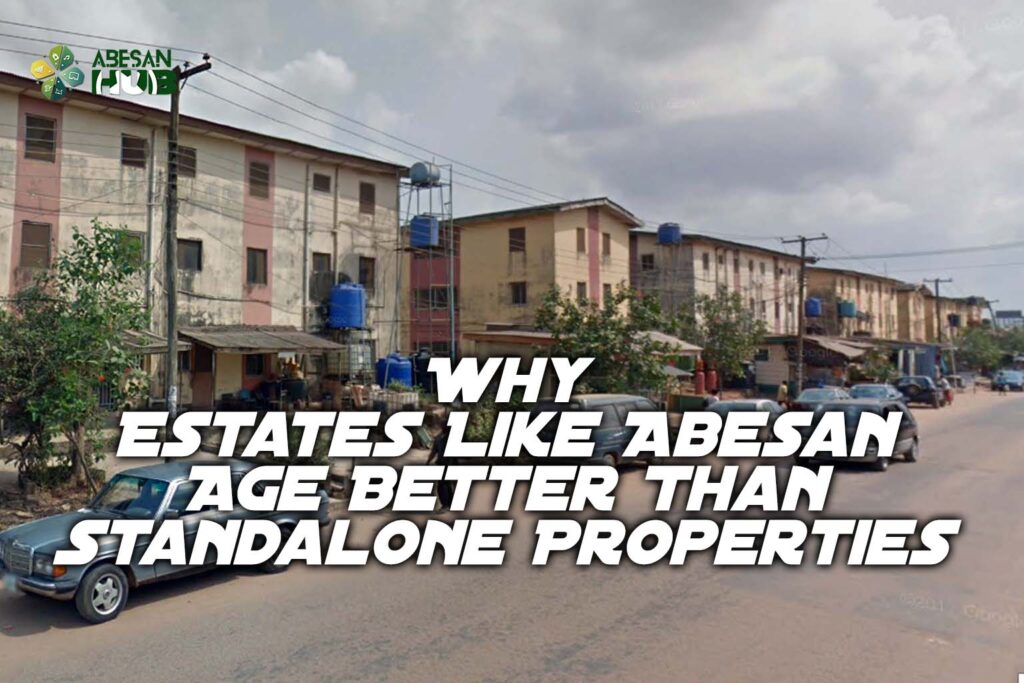
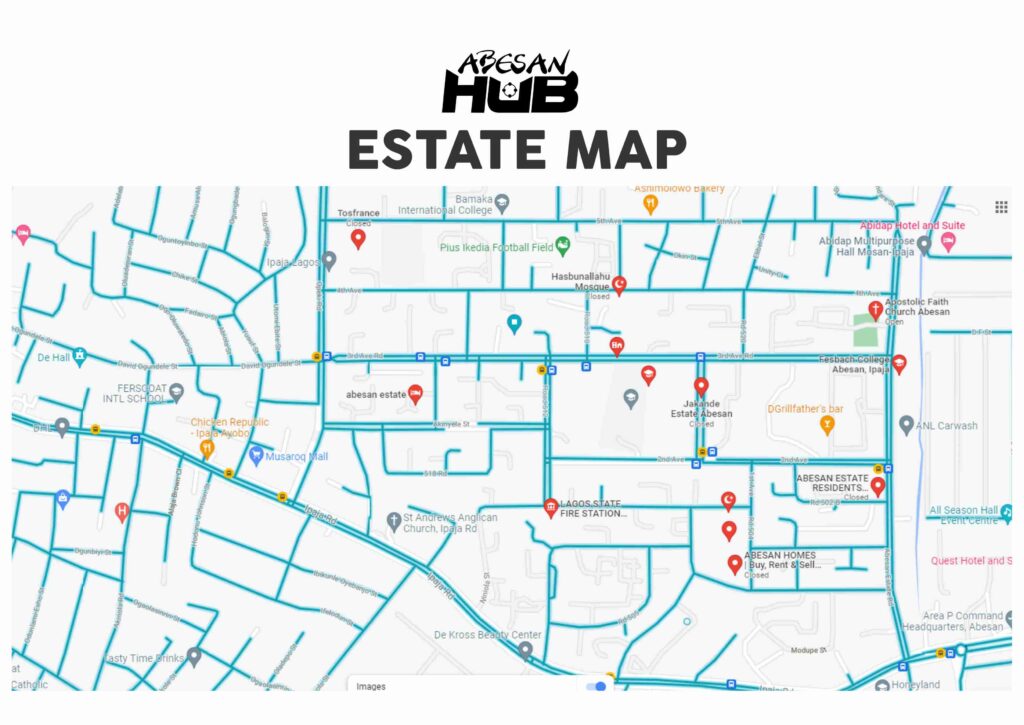
In a city that keeps expanding like Lagos, not all properties stand the test of time. Well-planned estates like Abesan consistently age better than standalone buildings, and the reasons go far beyond location.
Estates are built with structure in mind. From road networks and drainage systems to uniform layouts and shared spaces, this planning protects properties from the chaos that often surrounds isolated developments. Over time, this structure preserves value instead of eroding it.
Maintenance is another major advantage. In estates like Abesan, shared responsibility ensures roads are maintained, common areas are cleaned, security is coordinated, and infrastructure is improved collectively. Standalone properties often depend on individual owners, leading to neglect and faster depreciation.
Security and order also play a huge role in longevity. Controlled access, organized security arrangements, and community vigilance reduce vandalism and misuse. This stability makes estates more attractive to families, renters, and long-term investors.
Social value matters too. Estates naturally form communities, and strong communities protect their environment. Residents care more, report issues faster, and work together to solve problems. This collective mindset helps estates evolve rather than decline.
Finally, estates adapt better to growth. As cities expand, estates benefit from nearby developments, infrastructure upgrades, and increased demand, while standalone properties may become trapped by unplanned surroundings.
Abesan Estate is proof that when planning, people, and purpose come together, properties don’t just survive, they mature gracefully.